
Brand Strategy
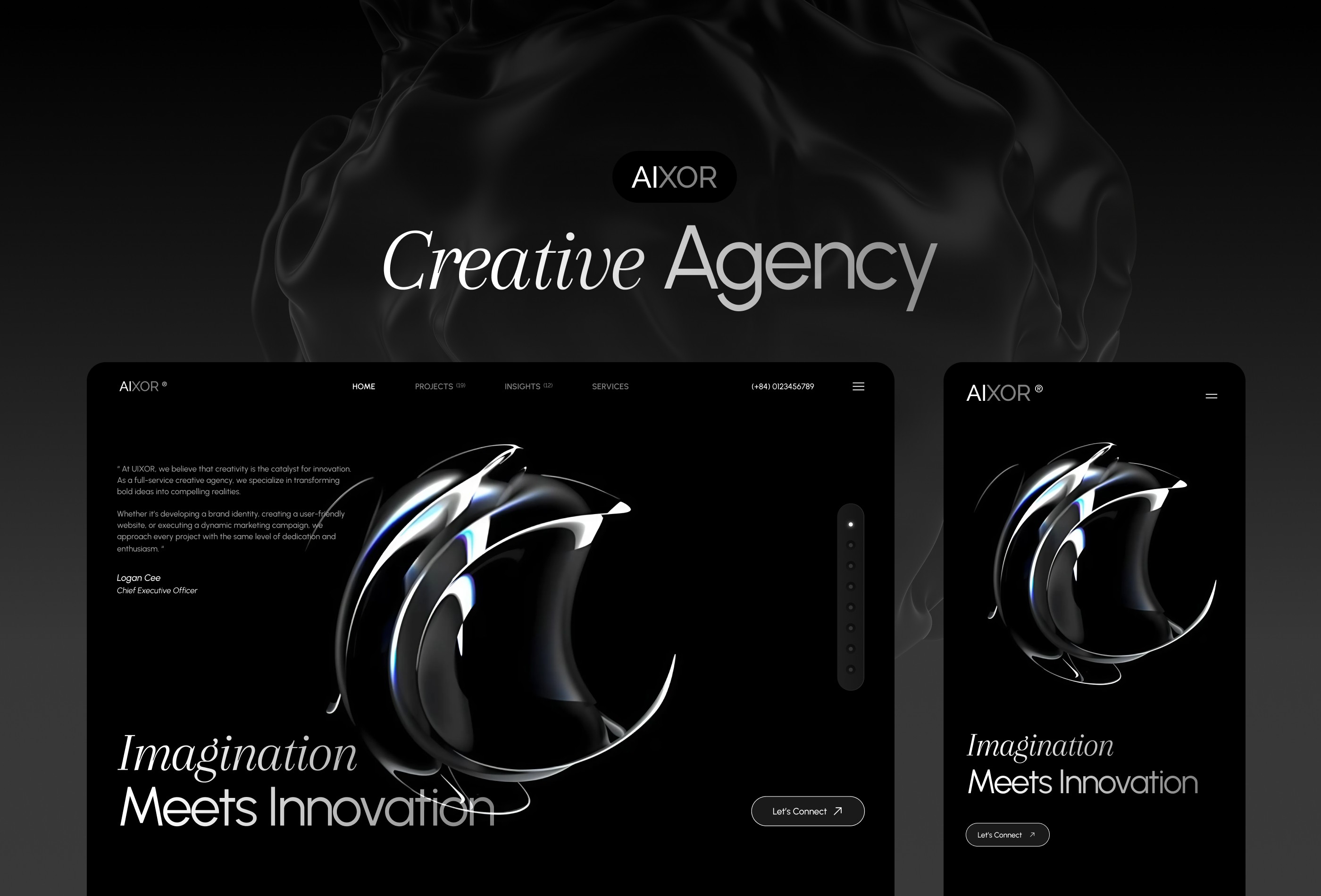
Design must reflect the brand’s core purpose, positioning, and values. Every color, typeface, and layout choice should reinforce brand identity. When visuals and strategy disconnect, confusion arises. A strong alignment ensures that brand voice translates clearly into visual language. Designers need deep understanding of mission, target audience, & market differentiation. Brand guidelines act as a foundation, but strategic interpretation brings them to life. Consistency across touch-points builds recognition and trust. Alignment prevents random aesthetic decisions. Visual systems should communicate the same story everywhere. Brand clarity strengthens design impact. Alignment creates clarity, consistency, and measurable impact. Below are four core pillars of effective design alignment.
Aligning Design
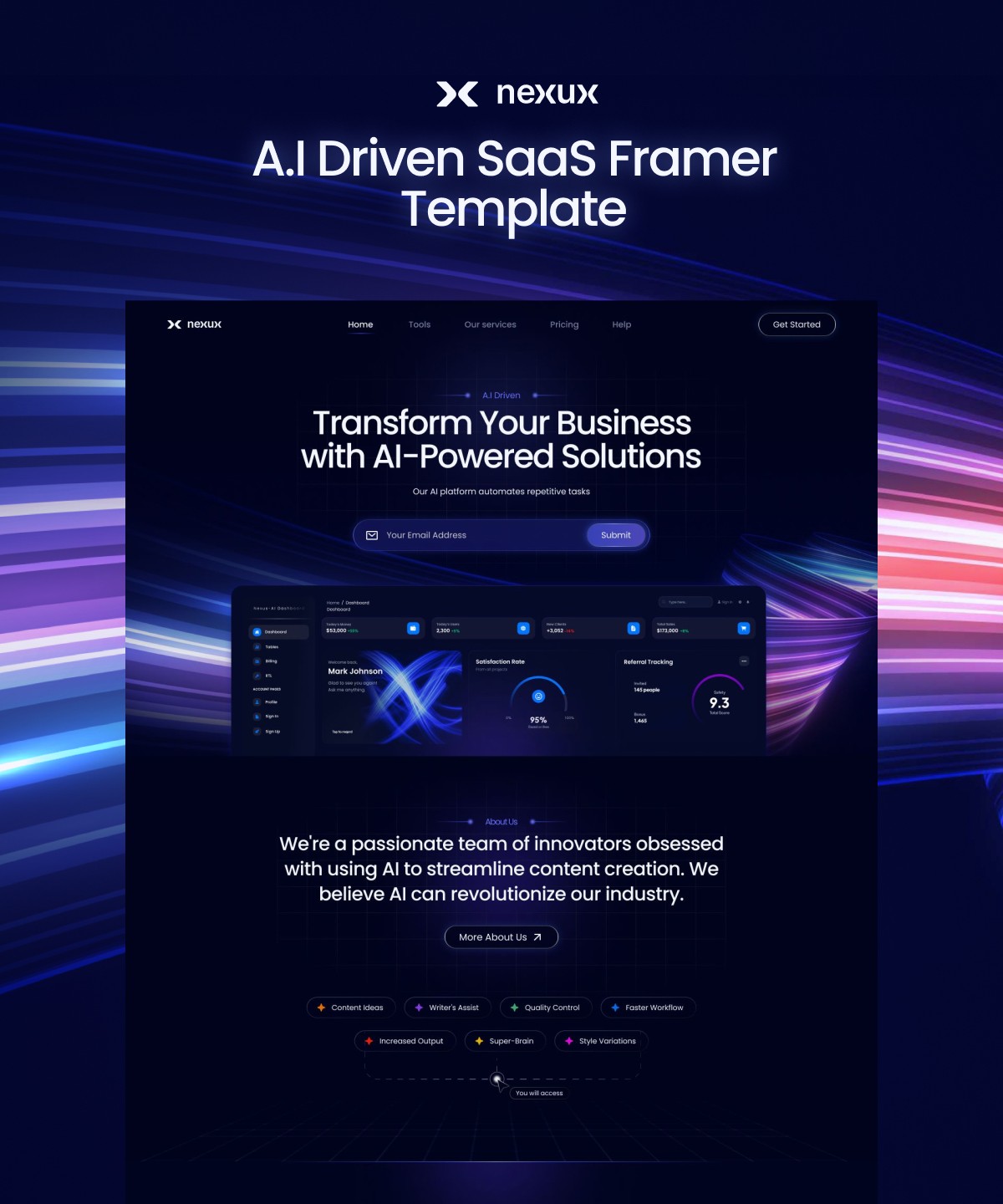
Design is not just creative expression — it is a business tool. Whether the goal is increasing conversions, retention, or building awareness, design must support measurable outcomes. Clear KPIs guide design decisions. Layout structures, CTAs, and user flows are built strategically. A visually attractive interface without performance focus lacks direction. Alignment ensures creativity serves purpose. Designers collaborate with marketing and product teams to understand objectives. Data-driven insights refine visual decisions. When design aligns with goals, results become predictable. Strategy transforms aesthetics into growth.

Brand Decisions
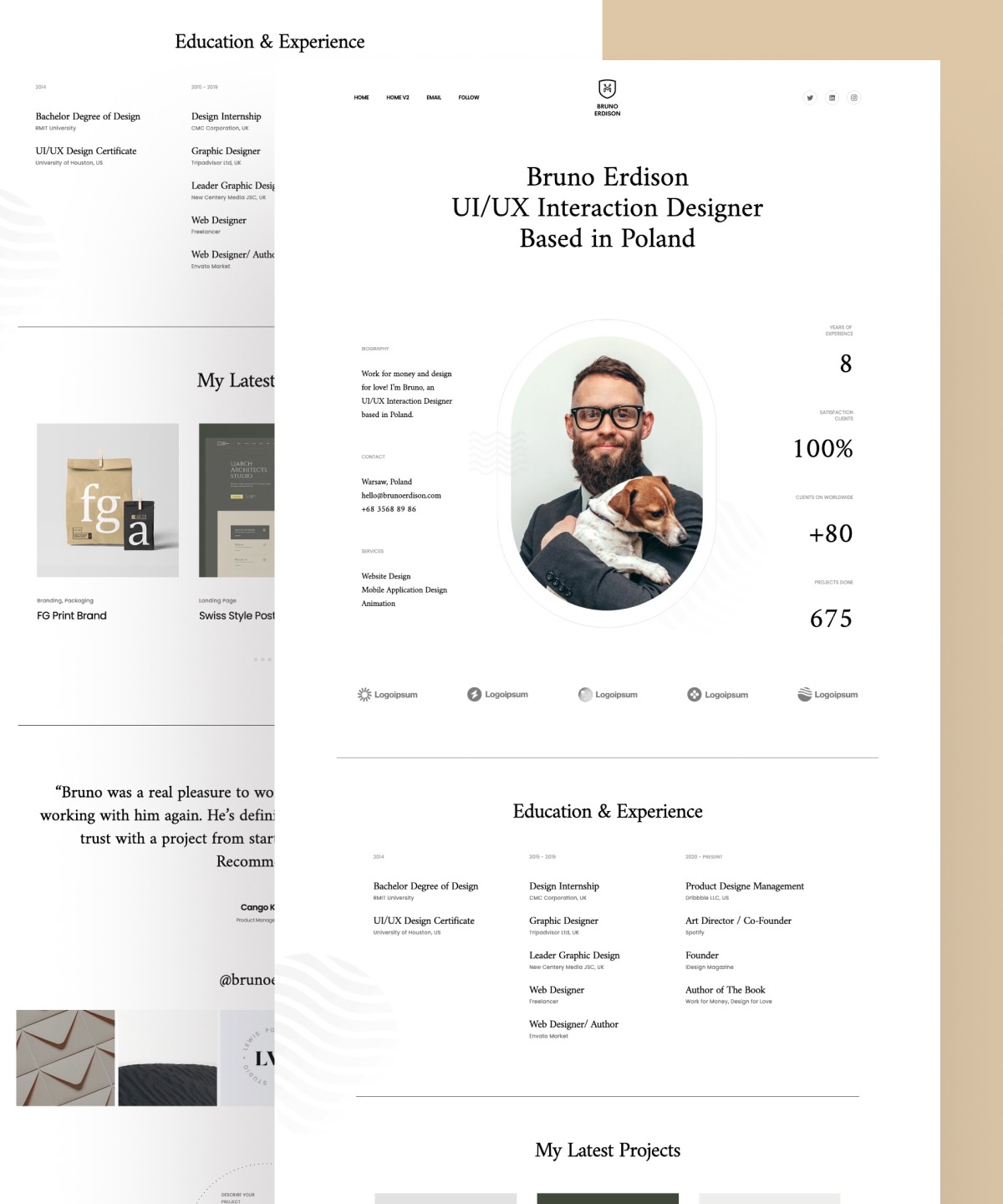
Misalignment often happens between departments. Marketing, product, and design teams may operate separately, causing inconsistency. Strong collaboration prevents fragmented brand experiences. Design systems and guidelines create unity. Regular workshops and review processes maintain clarity. Feedback loops ensure continuous improvement. Alignment requires communication, not assumption. When teams share vision and metrics, execution becomes smoother. System thinking ensures scalability across campaigns and platforms.
User Consistency
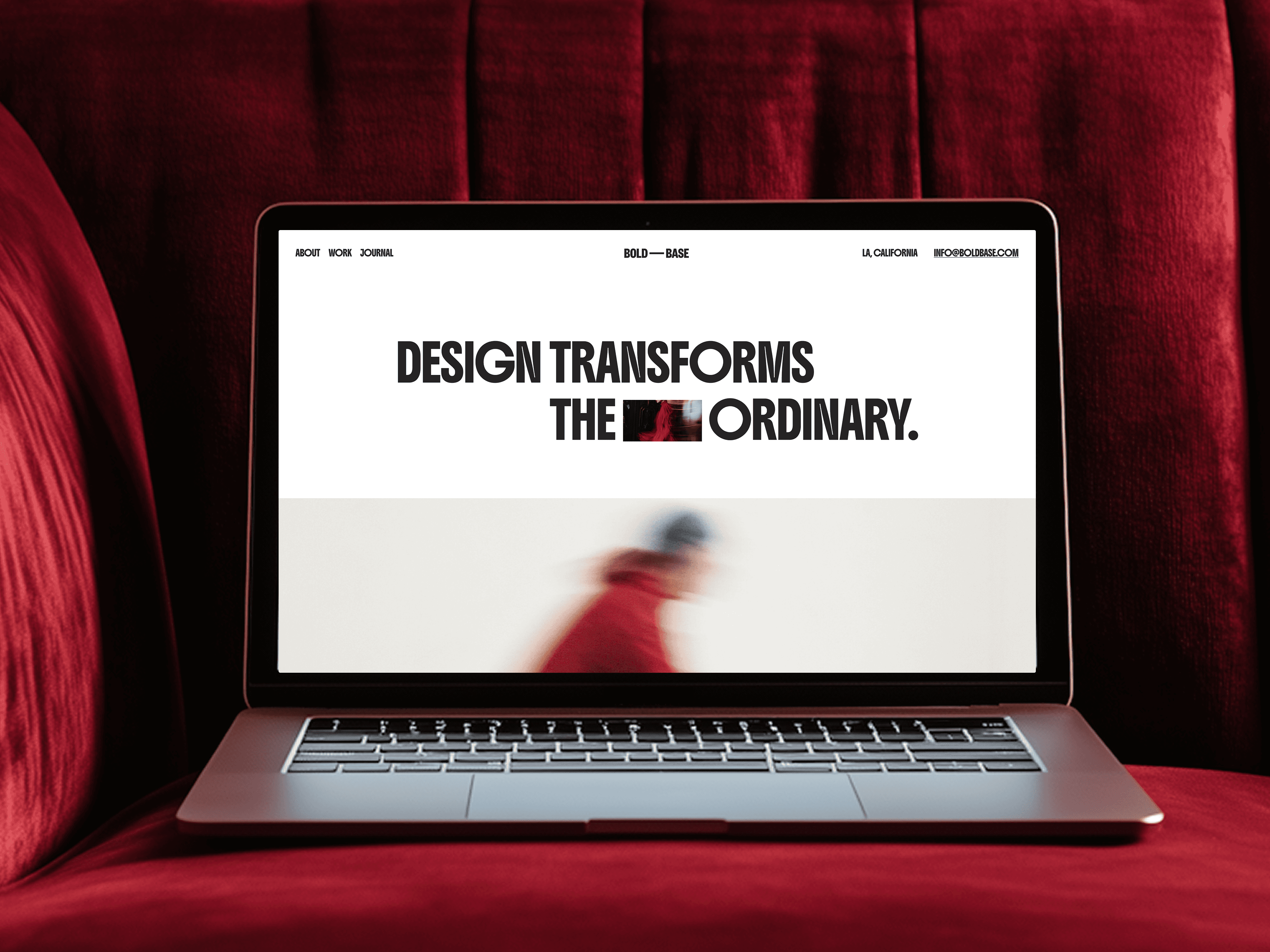
Ultimately, design alignment must prioritize the user. Visual decisions should enhance usability and clarity. Consistent navigation, typography, and interaction patterns reduce friction. When users feel comfortable across platforms, trust increases. Alignment between brand tone and user expectations improves engagement. Accessibility standards must be integrated consistently. Emotional tone should match audience mindset. Predictability in interface design creates comfort. Strategic alignment balances creativity with clarity. A well aligned design feels intentional and seamless.