
Visual Storytelling
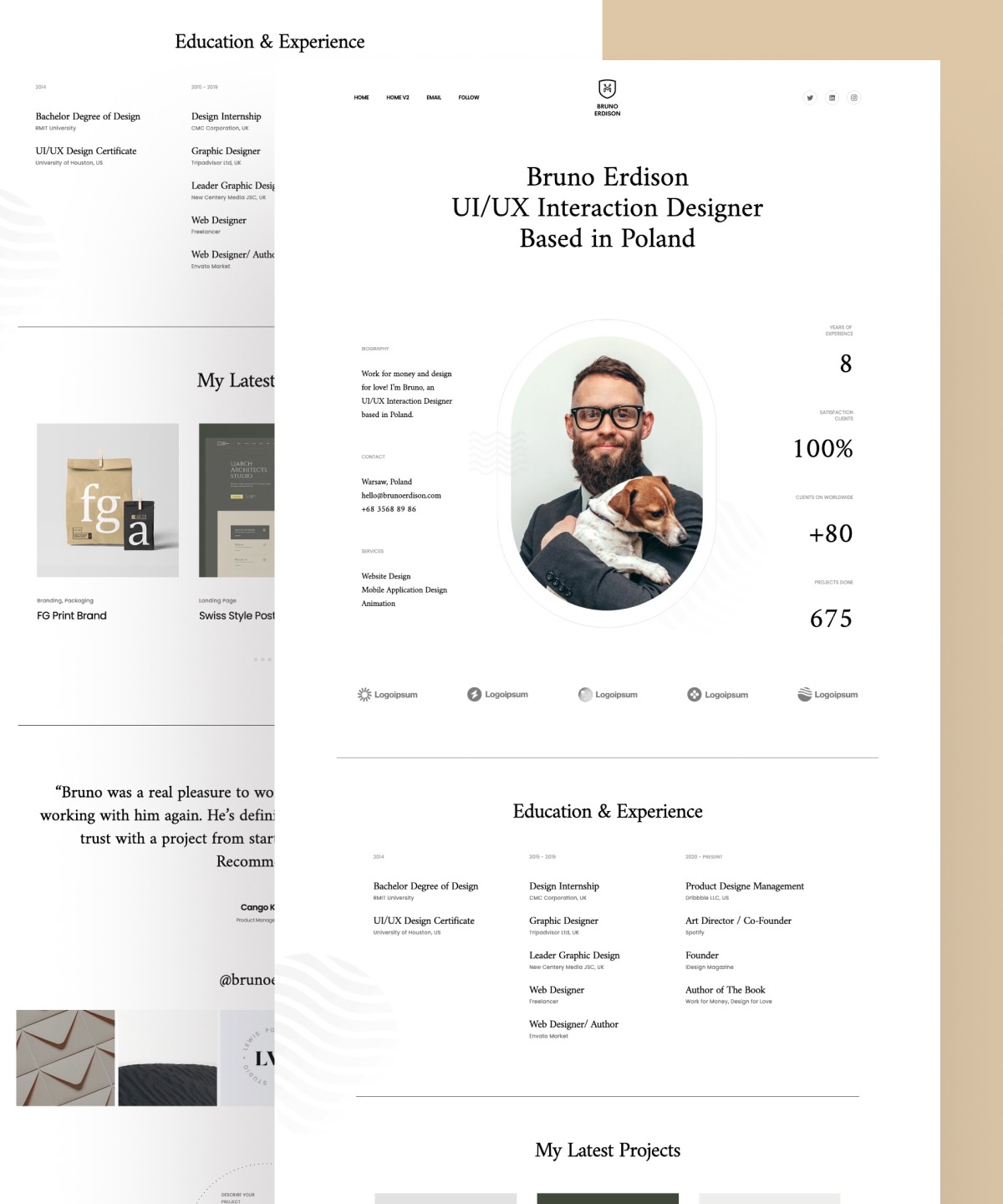
Visuals in 2026 are built around emotion, not just aesthetics. Brands are using imagery to tell stories rather than simply showcase products. Photography feels raw, human, and relatable instead of overly polished. Designers focus on facial expressions, natural lighting, and real-life moments to create connection. Illustrations include subtle imperfection to feel authentic. Visual storytelling aligns with brand tone and audience psychology. Every color, composition, and frame is chosen with intention. Motion graphics are used to enhance feeling rather than distract. Emotion becomes the foundation of image strategy.
Bold Composition
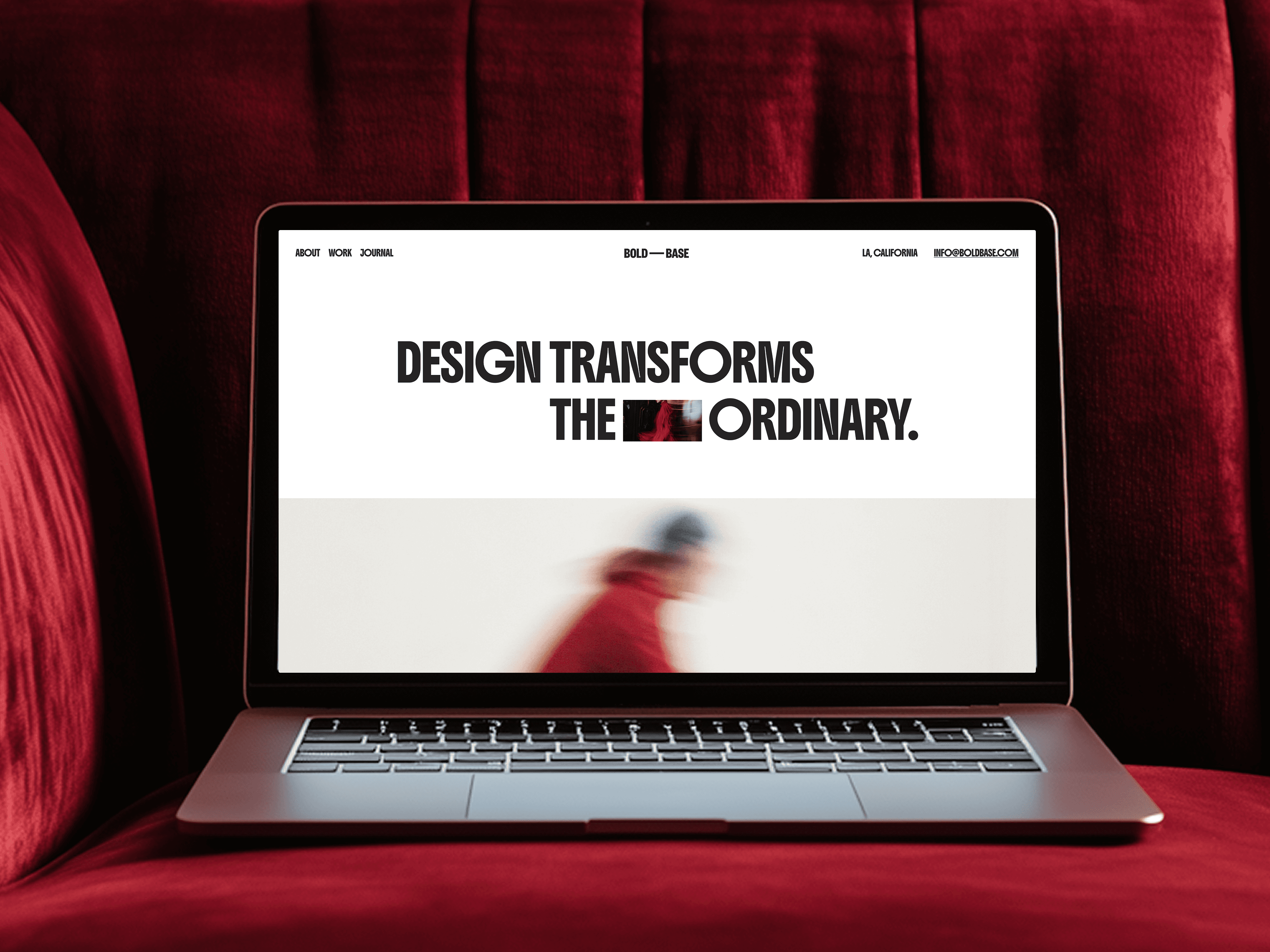
Flat visuals are evolving into layered, dimensional compositions. Designers combine typography, photography, textures, and 3D elements into cohesive systems. Overlapping elements, grain textures, and shadows create depth. Layouts feel dynamic yet controlled. Large-scale typography often interacts with image instead of sitting separately. Visual hierarchy is dramatic but balanced. Contrast plays a key role — dark backgrounds with vibrant highlights are trending. The goal is to capture attention instantly in fast-scrolling environments. Layered design makes visuals feel immersive. Strong composition turns simple images into powerful statements.

Creative Imagery
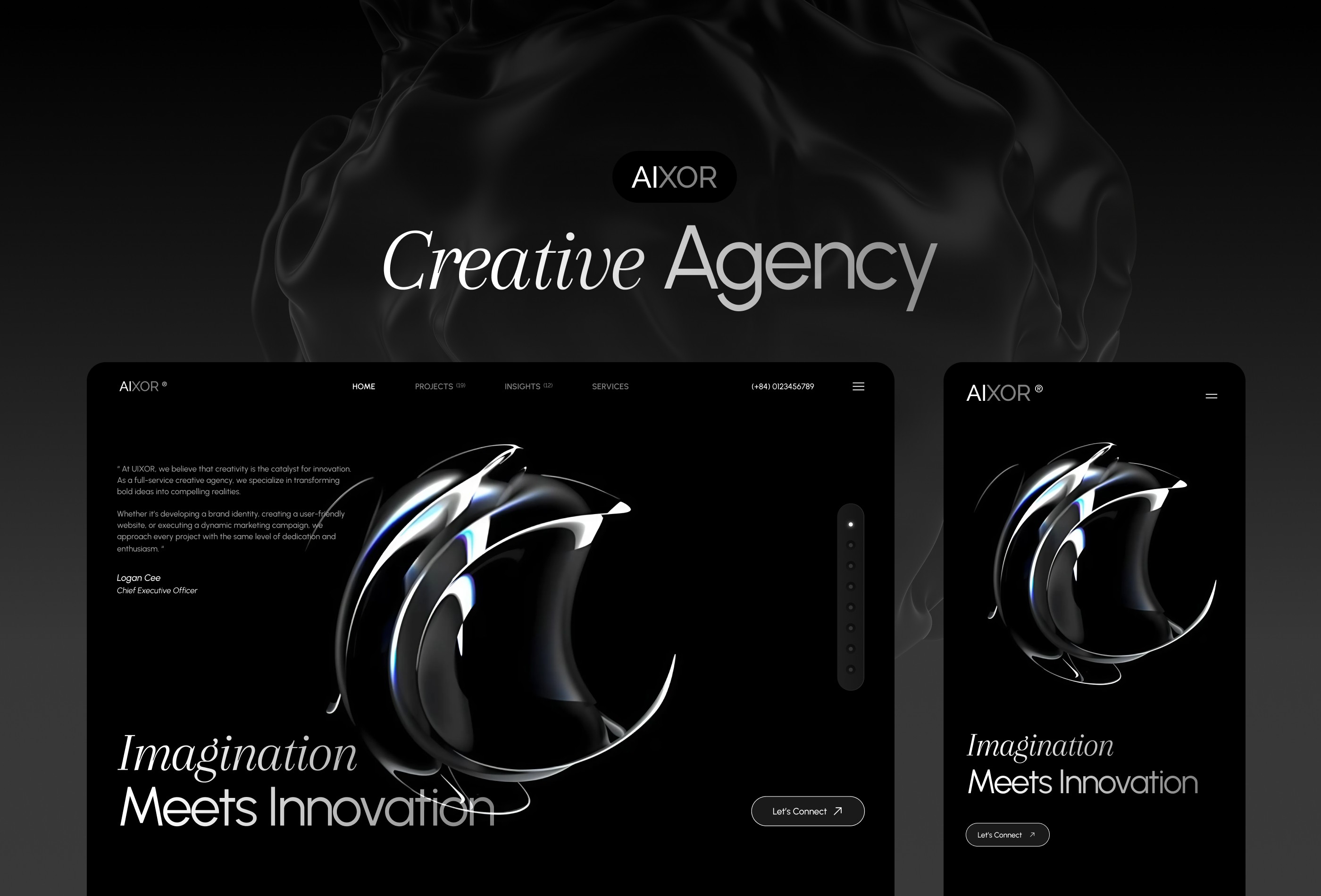
AI tools are shaping visual production in 2026, but creativity remain human-led. Designer use AI for concept generation, mood exploration, and rapid prototyping. However, final visuals are carefully refined for originality. Brands avoid generic AI aesthetics by customising outputs deeply. Hybrid imagery — combining photography and digital art — is becoming common. AI helps test variations quickly for campaigns and personalisation. Visual systems are more adaptive and data-informed.
Long-Term Impact
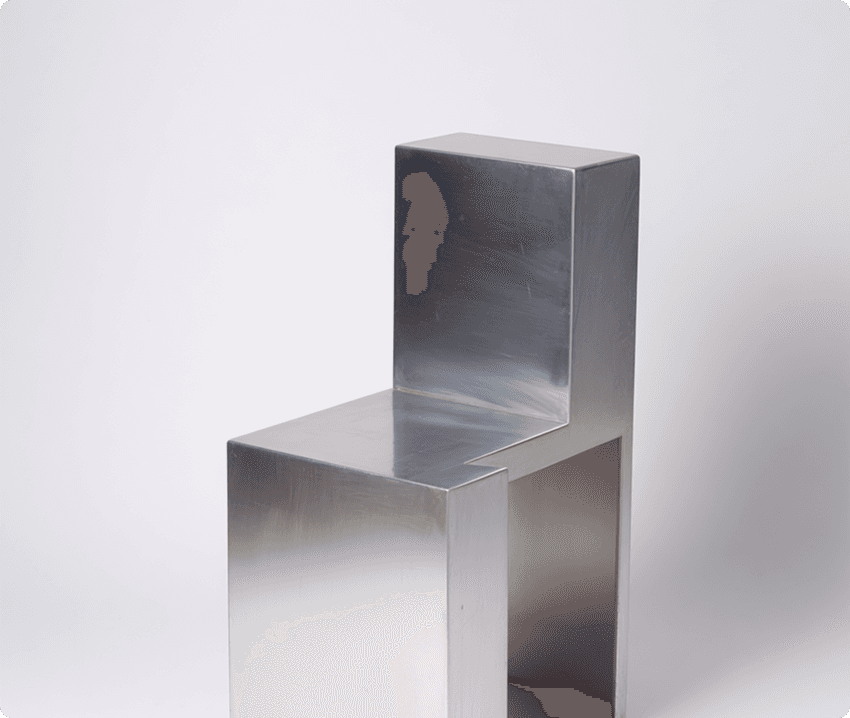
Purpose-driven brands focus on sustainability and legacy. They aim to create positive influence rather than short-term profit. Over time, this mindset strengthens reputation and credibility. Customers appreciate brands that stand for something meaningful. Long-term impact comes from consistency and authenticity. When purpose guides action, trust grows. Investors and partners also prefer brands with clear values. A strong purpose inspire employees & builds internal culture. It motivates team to work toward a shared vision. Ultimately, purpose transforms a brand from being just a business into a lasting movement.